











X International Scientific Conference

Intelligent Information
Technologies for Industry

October 14 2026
October 18 2026
Changsha, China
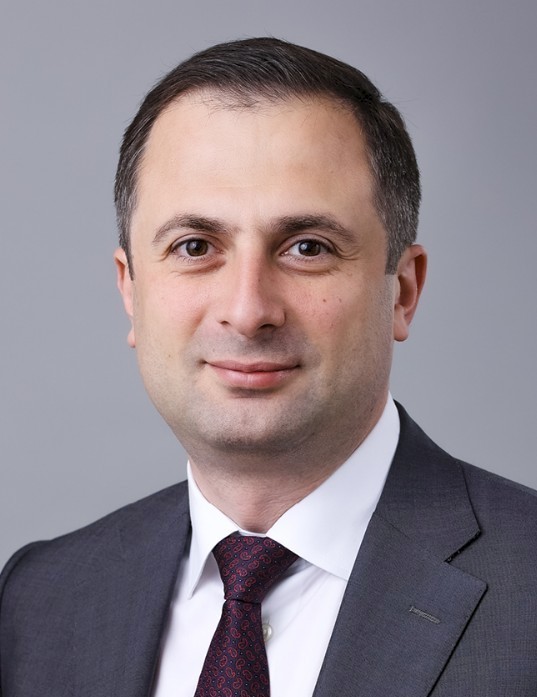
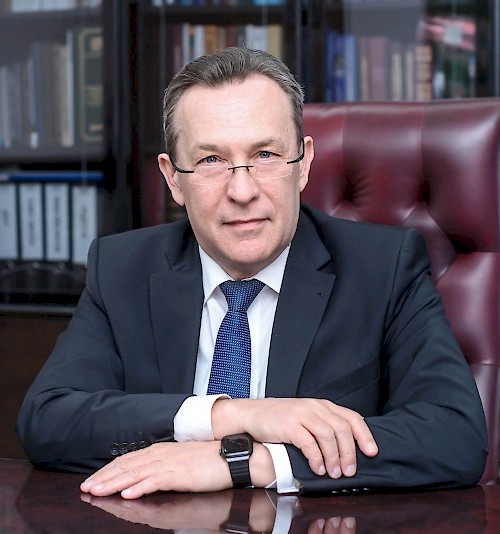
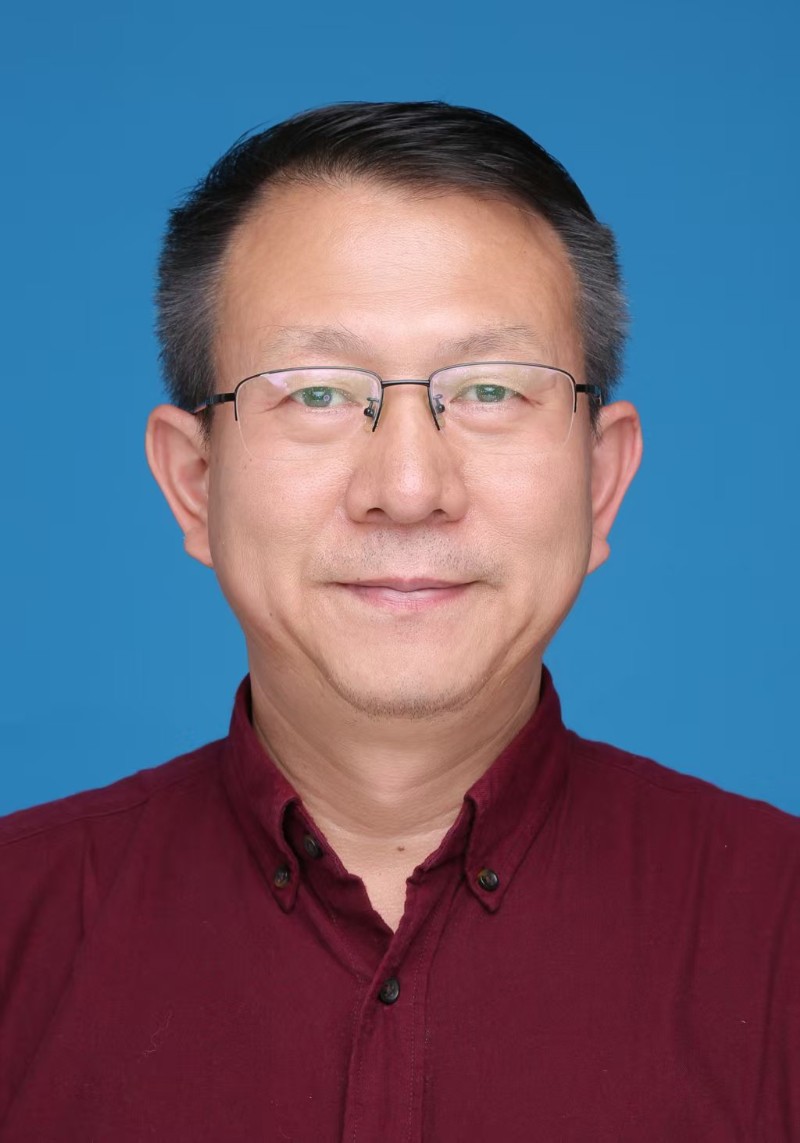
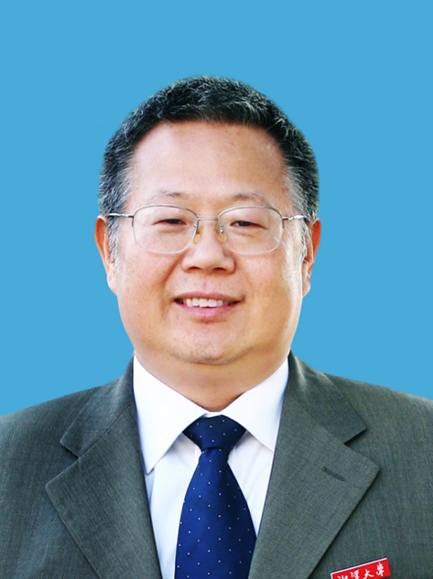
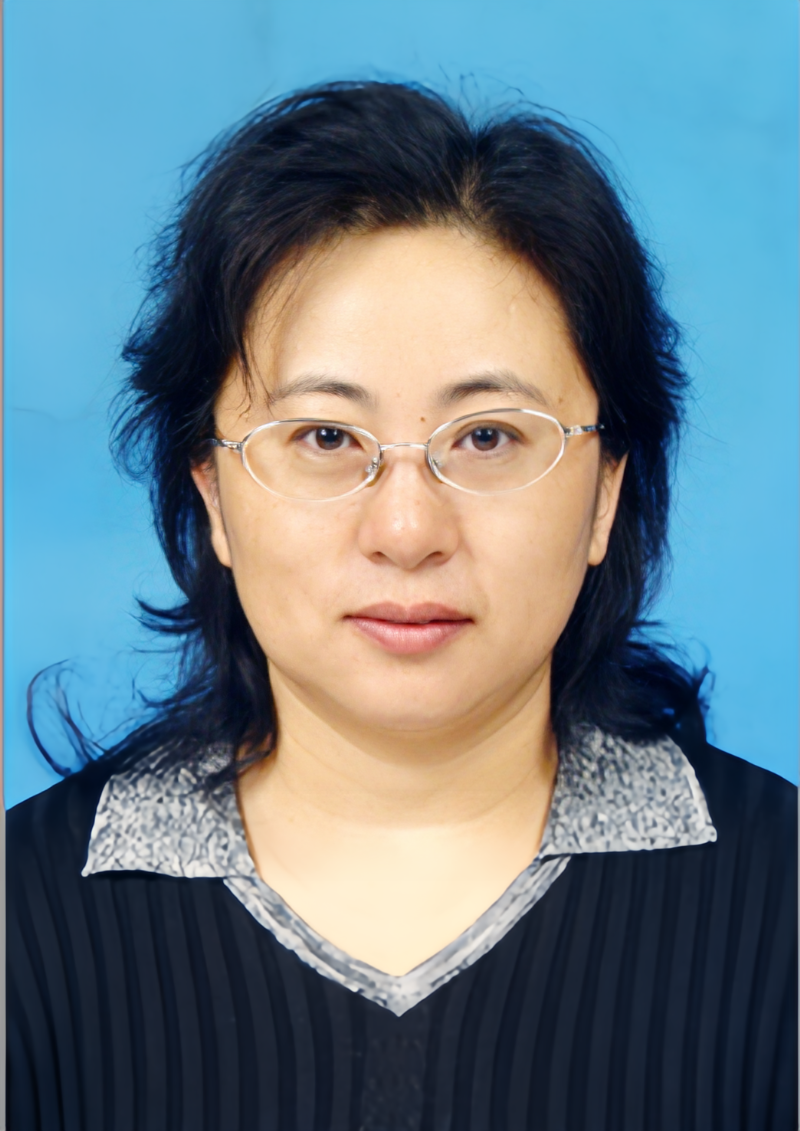
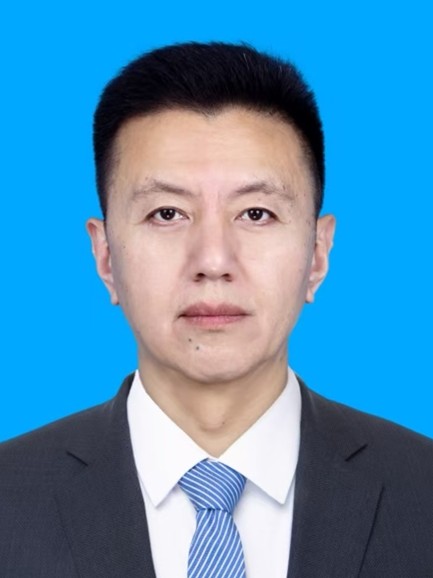
Honorary Chairs

Kaiyuan International Mathematical Sciences Institute, China

Gao Xiaoshan

JSC "NIIAS", Russia

Dolgiy Alexander

Rostov State Transport University, Russia

Vereskun Vladimir

Conference Chairs
Organizing Chairs

Dear colleagues!

On behalf of the IITI organizers, we are pleased to invite you to participate in the IITI'26 Conference, which will take place on October 14-18, 2026 at Changsha in China. This is the Tenth conference of the series "Intelligent Information Technologies for Industry". This year IITI is organized by Kaiyuan International Mathematical Sciences Institute (China), Rostov State Transport University (Russia), JSC "NIIAS" with the support of the Russian Association for Artificial Intelligence.

The purpose of IITI is to bring together the advanced international experience in the fields of development and implementation of the modern techniques in automation, digitalization, and artificial intelligence in fundamental and applied sciences as well as to develop of contacts in this area. Innovative intelligent information technologies are particularly interesting at the conference.

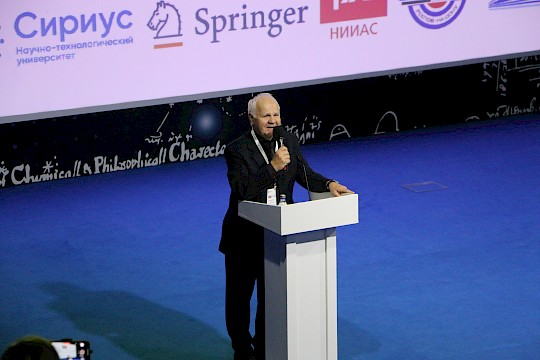
Annually, IITI is held with the participation of leading international scientists. The history of the conference includes multiple international locations, such as ITMO (Russia), Sirius (Russia), VSB-Technical University of Ostrava (Czech Republic), Technical University of Varna (Bulgaria), Istanbul Aydin University (Turkey), Shanghai University (China) and Harbin Institute of Technology (China). Due to IITI, scientists from all over the world have published more than 550 scientific papers on the topic of the conference, which have been indexed by Scopus and Web of Science.

The organizing committee of the conference invites interested researchers and professionals to submit papers describing significant scientific achievements and innovations in all areas of automation, digitalization, and artificial intelligence. All submissions will be thoroughly peer-reviewed by multiple reviewers. The proceedings of the IITI’25 conference will be published in the Springer series Lecture Notes in Networks and Systems. The publications will be indexed in SCOPUS, INSPEC, WTI Frankfurt eG, zbMATH, SCImago. The proceedings will also be submitted for consideration for inclusion in Web of Science database.

The conference will be held in a hybrid format, with both in-person and remote (online) participation. Speaking at the conference is a requirement for your work to be indexed in scientific databases.
Organizing Committee

  • Anna Chernova, JSC "NIIAS", Russia
  • Anna Kolodenkova, Samara State Technical University, Russia
  • Anna Levshina, JSC “NIIAS”, Russia
  • Larisa Vasileva, JSC "NIIAS", Russia
  • Li Lingpan, Kaiyuan International Mathematical Sciences Institute, China
  • Li Yin, Harbin Institute of Technology, China
  • Liu Sihan, Kaiyuan International Mathematical Sciences Institute, China
  • Tang Yangbin, Kaiyuan International Mathematical Sciences Institute, China
  • Wu Fan, Kaiyuan International Mathematical Sciences Institute, China

International Program Committee

  • Agop Khatlamadzhiyan, JSC "NIIAS", Russia
  • Aleksandr Panov, Federal Research Center "Computer Science and Control" of the Russian Academy of Sciences, Moscow Institute of Physics and Technology, Artificial Intelligence Research Institute, Russia
  • Alexander Bozhenyuk, Southern Federal University, Russia
  • Alexander Degtyarev, Saint-Petersburg State University, Russia
  • Alexander Eremeev, Moscow Power Engineering Institute, Russia
  • Alexander Smirnov, Saint-Petersburg Federal Research Center of Russian Academy of Sciences, Russia
  • Alexander Tselykh, Southern Federal University, Russia
  • Alexander Tulupyev, North-West Institute of Management, Branch of RANEPA, Russia
  • Alexey Averkin, Dorodnicyn Computing Centre of Russian Academy of Sciences, Russia
  • Alexey Bobtsov, ITMO University, Russia
  • Alexey Karpov, ITMO University, Russia
  • Anatoly Korobeynikov, IZMI RAS, Russia
  • Andrei Petrovski, Robert Gordon University, United Kingdom
  • Andrey Chechulin, ITMO University, Russia
  • Bharat S Chaudhari, MIT World Peace University, India
  • Bi Hui, Harbin University of Science and Technology, China
  • Boris Kobrinskii, Federal Research Center "Informatics and Management" of the Russian Academy of Sciences, Russia
  • Chen Xinzhuang, Yan'an University, China
  • Costin Badica, University of Craiova, Romania
  • Deng Ke, Sichuan University, China
  • Dmitry Yudin, Moscow Institute of Physics and Technology, Artificial Intelligence Research Institute, Russia
  • Evgenia Novikova, Saint Petersburg Electrotechnical University "LETI", Russia
  • Giuseppe ML Sarne, University of Milano Bicocca, Italy
  • Gleb Fedorov, Sirius University of Science and Technology, Russia
  • Gu Defeng, Sun Yat-sen University, China
  • Guangyu Liu, Hangzhou Dianzi University, China
  • He Weihua, Guangdong University of Technology, China
  • Igor Fominykh, Moscow Power Engineering Institute, Russia
  • Igor Saenko, Saint-Petersburg Federal Research Center of Russian Academy of Sciences, Russia
  • Ivan Kholod, Saint Petersburg Electrotechnical University "LETI", Russia
  • Konstantin Izrailov, The Bonch-Bruevich Saint-Petersburg state university of telecommunications, Russia
  • Leonid Gladkov, Southern Federal University, Russia
  • Lev Utkin, Peter the Great St Petersburg Polytechnic University, Russia
  • Li Changxi, Shandong University, China
  • Li Dengfeng, University of Electronic Science and Technology of China, China
  • Li Tao, East China Normal University, China
  • Li Xiuxian, Tongji University, China
  • Li Yin, Harbin Institute of Technology, China
  • Maxim Abramov, Saint-Petersburg Federal Research Center of Russian Academy of Sciences, Russia
  • Maya Sukhanova, Azov-Black Sea State Engineering Institute, Russia
  • Mikhail Semenov, Sirius University of Science and Technology, Russia
  • Mikhail Zabezhailo, Dorodnicyn Computing Centre of Russian Academy of Sciences, Russia
  • Muhammad Ary Murti, Telkom University, Indonesia
  • Nadezhda Yarushkina, Ulyanovsk State Technical University, Russia
  • Oleg Kuznetsov, Institute of Control Sciences of Russian Academy of Sciences, Russia
  • Pang Jinhui, Beijing Institute of Technology, China
  • Petr Skobelev, Samara Federal Center of Russian Academy of Science & Samara State Technical University, Russia
  • Qiang Lu, Hangzhou Dianzi University, China
  • Rajeev Shorey, IIT Delhi, India
  • Sergey Kuznetsov, Higher School of Economics, Russia
  • Sergey Makhortov, Voronezh State Technical University, Russia
  • Sergey Petrenko, Innopolis University, Russia
  • Shi Qingjiang, Tongji University, China
  • Tang Xiaomin, Heilongjiang University, China
  • Vadim Borisov, Moscow Power Engineering Institute in Smolensk, Russia
  • Vadim Stefanuk, Institute for Information Transmission Problems, Russia
  • Valeria Gribova, Far Eastern Branch of the Russian Academy of the Sciences, Russia
  • Vasily Desnitsky, Saint-Petersburg Federal Research Center of Russian Academy of Sciences, Russia
  • Vladimir Gorodetsky, JSC "Eureca", Russia
  • Vladimir Kureichik, Southern Federal University, Russia
  • Wang Hao, CTO of Shenzhen Kaihong Digital Industry Development Co., Ltd., China
  • Wang Long, Peking University, China
  • Wasim Raad, Istanbul Aydin university, Turkey
  • Xiaotie Deng, Peking University, China
  • Xie Zheng, Kaiyuan International Mathematical Sciences Institute, China
  • Xu Genjiu, Northwestern Polytechnical University, China
  • Xu Xuanhua, Central South University, China
  • Yan Liang, National University of Defense Technology, China
  • Yang Weihua, Taiyuan University of Technology, China
  • Yuri Rogozov, Southern Federal University, Russia
  • Zhang Kai, Xiangtan University, China
  • Zhang Shenggui, Northwestern Polytechnical University, China
  • Zhang Ye, Shenzhen MSU-BIT University, China
  • Zhao Chengli, Kaiyuan International Mathematical Sciences Institute, China
  • Zhou Yue, Kaiyuan International Mathematical Sciences Institute, China
  • Zhu Wei, Chongqing University of Posts and Telecommunications, China

Topics of Interest

  1. Applied Artificial Intelligence: Industrial, Transport and Energetic Systems
  2. Artificial Neural Networks, Machine Learning and Their Applications
  3. Logical Foundations of Artificial Intelligence
  4. Fuzzy Models and Systems, Non-Classical Logic and Plausible Inference
  5. Evolutional Modeling and Genetic Algorithms
  6. Multiagent Systems
  7. Decision Making Intelligent Systems
  8. Mathematical Robotics and Artificial Intelligence, Robotic Systems
  9. Artificial Intelligence in Information Security, Quantum Computer Science
  10. Generative Artificial Intelligence
  11. Intelligent Medical Systems
  12. Intelligent Information Technologies for Social and Natural Science

Important Dates

March 13, 2026
Deadline for application for participation in the conference. To make the submission just fill up the required fields at EasyChair marked by "*",
(to apply the participation, file of publication can be initially missed).

April 13, 2026
Deadline for the paper submission (file of publication at EasyChair page must be uploaded before this date).

June 05, 2026
Acceptance/rejection notification.

June 19, 2026
Camera-ready and registration.

October 14-18, 2026
Conference dates

Conference Venue

Kaiyuan International Mathematical Sciences Institute
Changsha City, Hunan Province, China

Paper Submission

Papers reporting original and unpublished research results on the above and related topics are solicited. All submitted papers will be reviewed for quality, originality and relevance by the Program Committee. The acceptance or rejection of the papers will be based on the results of the review. All questions should be addressed to the contact e-mail. An electronic version (PDF format) of the full paper must be submitted by the paper submission deadline to the conference website. Manuscripts must be provided in accordance with the guidelines given on the following link, where you can find the required styles and information:

https://www.springer.com/series/15179

(If this link does not work for you, go to http://www.springer.com, search for series "Lecture Notes in Networks and Systems" and follow the link "Instructions for Authors" to the right).

Authors guidelines, LaTeX and Word templates can be downloaded also from here.

The papers will be published as an edited volume in a Springer series entitled "Lecture Notes in Networks and Systems".

Only submissions in English language will be considered. The maximum number of pages is 12. More than 12 (and less than 20) pages have to be discussed with the Organizing Committee.

Please use the following link to submit your paper: EasyChair

Each author can participate in no more than two articles.
Further information is available on the conference website: iiti.rgups.ru/en/

IITI Contacts

Andrey Sukhanov
Tel.: +7-989-720-65-53
e-mail: iiti16@rgups.ru

Maria Butakova
Tel.: +7-918-597-66-71
e-mail: m.butakova@vniias.ru

Time until conference

308
02
21
18